

Finance with more clarity
Know the numbers before you make the move.
Prepare for the lender conversation, compare payment scenarios, and protect your financing from pre-approval through closing—with a local ERA professional helping connect every step.

Estimate.
Protect.
Clarity before the offer
Start with a financing plan—not just a price range.
A useful plan connects the home price, monthly payment, cash needed, loan conditions, and your broader goals. These tools help you prepare better questions for a licensed lender.
01 // PREPARE
Organize the picture
Gather income, asset, debt, employment, and credit information before the search gets serious.
02 // ESTIMATE
Model the payment
Compare scenarios that include taxes, insurance, HOA dues, and mortgage insurance—not principal and interest alone.
03 // PROTECT
Keep the file steady
Ask your lender before changing jobs, moving funds, opening credit, or making a major purchase.
Powered by ARTI® Tools
Build a clearer monthly-payment estimate.
Change the assumptions to explore a scenario. The result is educational—not a loan estimate, approval, rate quote, or affordability recommendation.
Estimated monthly payment
0% down
Example rate is editable and is not an advertised rate. Estimate excludes closing costs, prepaid items, utilities, maintenance, and other possible expenses. Taxes, insurance, HOA dues, mortgage insurance, rates, APR, and loan terms vary. Confirm all figures with licensed professionals.

Prepare for the lender conversation
Pre-qualification and pre-approval are not the same conversation.
Definitions and review standards vary by lender. Ask what information was verified, what conditions remain, when the decision expires, and what could change it.
Pre-qualification
Often an early estimate based on information you provide. It can help begin a budget conversation, but may involve limited documentation or review.
Pre-approval
Usually includes a more detailed lender review of credit, income, assets, debt, and supporting documents. It is still conditional—not a guarantee of final approval or closing.
- Was credit reviewed, and was it a hard or soft inquiry?
- Were income, assets, employment, and debts documented?
- Has an underwriter reviewed the file, and what conditions remain?
- How long is the decision valid, and what changes require an update?
A clearer loan journey
What happens between preparation and closing.
The exact sequence varies by lender and loan program, but most financed purchases move through four connected phases.
01 // PREPARE
Review the budget
Clarify goals, cash, payment comfort, credit, and the documents a lender may request.
02 // APPLY
Choose the structure
Compare loan options, rates, APR, fees, cash to close, and how long you expect to keep the loan.
03 // VERIFY
Support underwriting
Respond to requests, document funds, coordinate insurance, and keep the financial picture consistent.
04 // CLOSE
Review final figures
Read the final disclosures, confirm funds and timing, ask questions, and follow verified transfer instructions.
From pre-approval to closing
Once the file is moving, keep the picture steady.
Even ordinary financial changes can create new documentation or affect loan conditions. When in doubt, ask the lender before acting.
Keep doing
- Respond promptly to document and clarification requests.
- Keep employment, income, asset, and insurance records current.
- Maintain normal, documented banking activity.
- Verify every wire instruction through a trusted phone number before sending funds.
Ask before you change
- Employment, compensation, work status, or leave plans.
- New credit, credit limits, co-signing, or large purchases.
- Large deposits, transfers, gifts, or withdrawals.
- Debt payoff, account closures, or changes to down-payment funds.
Cash beyond the down payment
Plan for the costs around the purchase.
Amounts, timing, and whether money is refundable depend on the contract, location, lender, property, and service providers. Request written estimates early.
Earnest money
A contract deposit that may be applied at closing. Deadlines and refundability depend on the agreement.
Due diligence
Inspections, evaluations, appraisals, and other property-specific reviews may require payment before closing.
Closing + prepaid items
Lender, title, escrow, government, insurance, tax, and interest items can affect the final cash needed.
Move-in reserves
Moving, repairs, furnishings, utilities, maintenance, and an emergency cushion belong in the broader plan.
Better technology
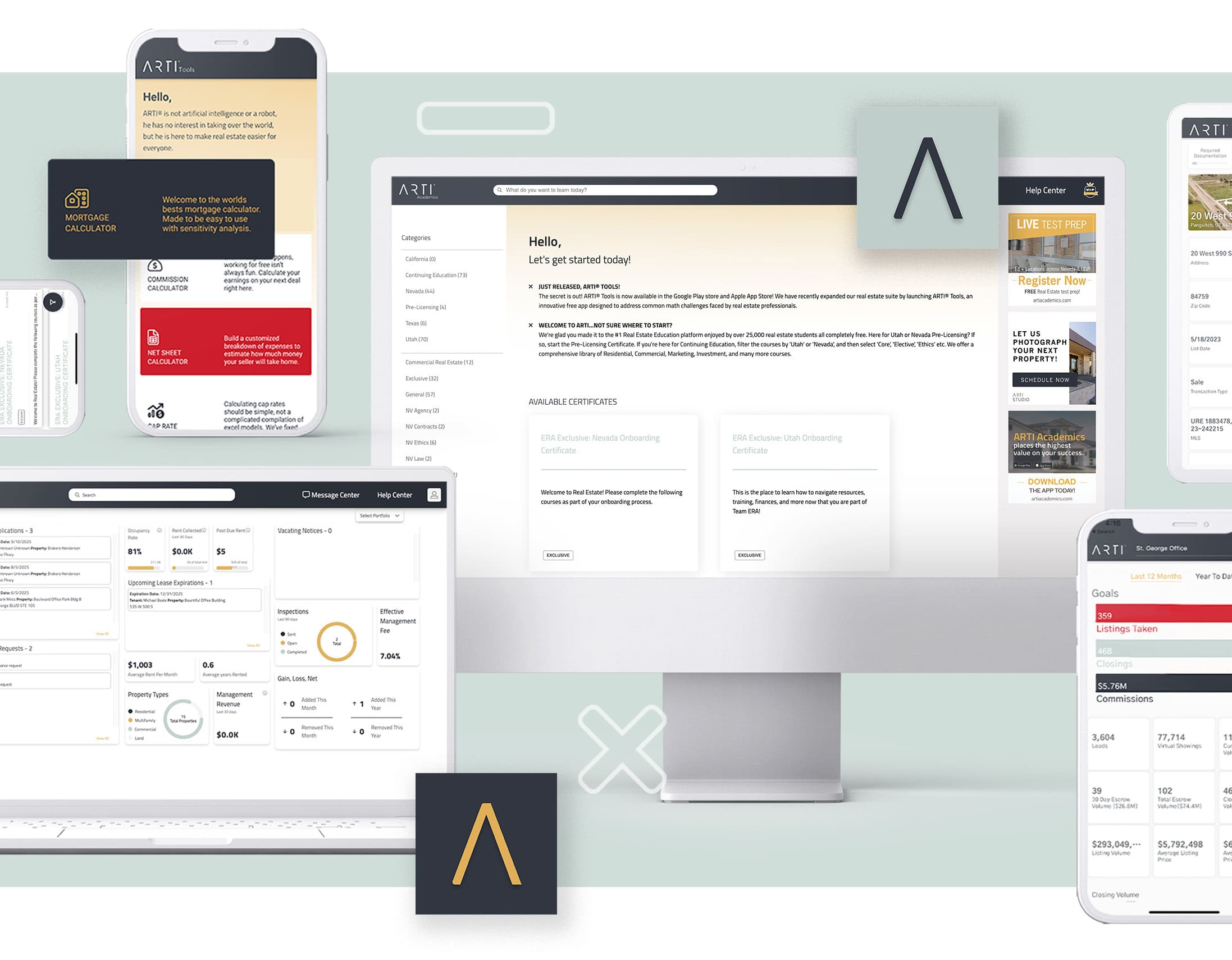
Take the full ARTI® mortgage calculator with you.
ARTI® Tools is free to everyone and includes mortgage calculations with sensitivity analysis, plus rent-versus-buy, bid-over-ask, commission, net-sheet, and cap-rate tools.
Made for real estate professionals. Useful for anyone making a real estate decision.
Connect the plan to the search
Ready for a lender conversation?
Tell us where you plan to buy. An ERA team member can help connect you with financing resources available in that market and keep your home search moving in the same direction.
Submitting this form does not create a loan application, approval, rate lock, or commitment to lend. Loan products, eligibility, rates, APR, fees, and terms are provided by licensed lenders and vary.
The next right step
Bring the financing plan into your home search.
Return to the Buyer Guide for the full journey, or start exploring homes across ERA markets.